-
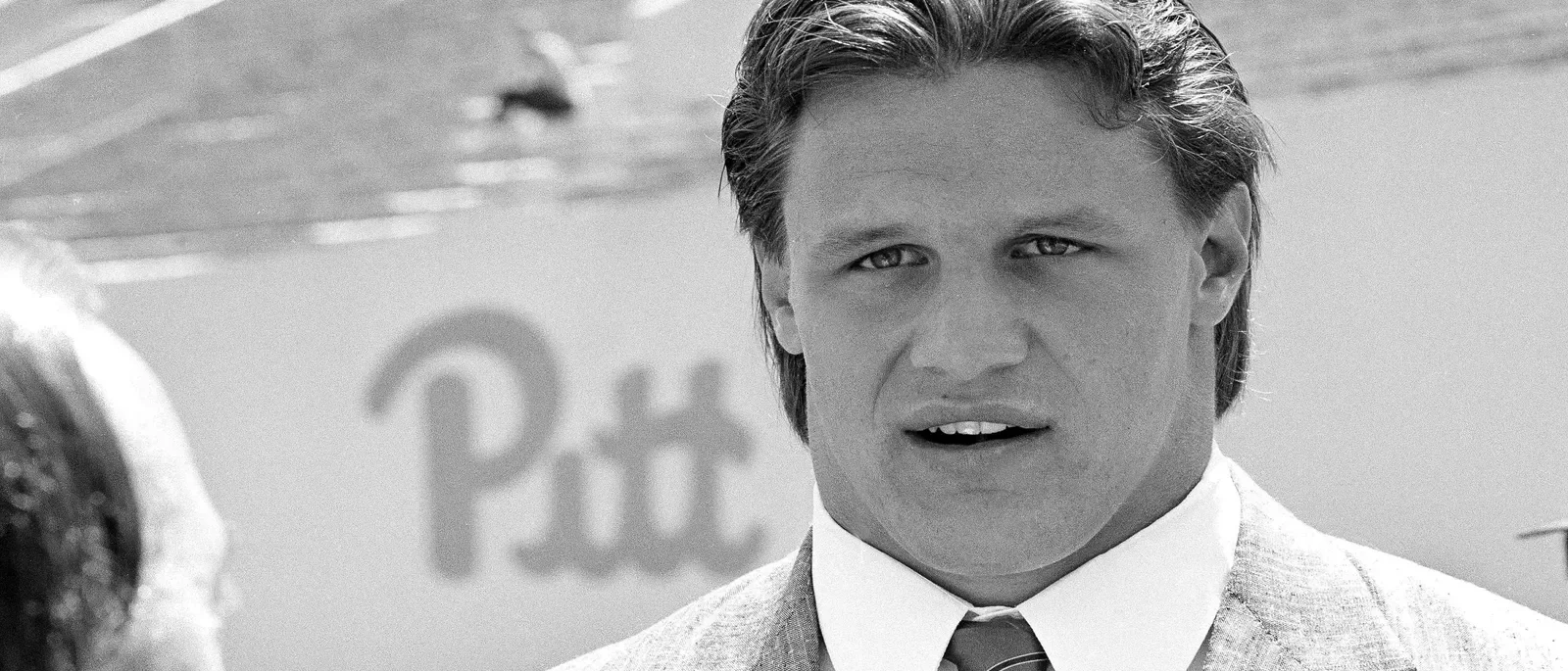
Full Circle: Tom Flynn
By Brian Kopycinski
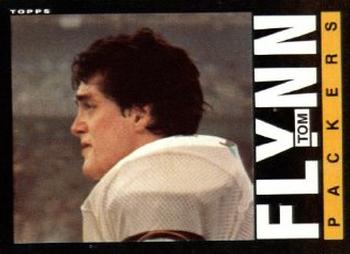
The Pitt Panthers teams of the late 1970s through the early 1980s were among the best in the country, featuring many future Pro Football Hall of Fame talents. Arguably the greatest stretch in program history, this era of Pitt football brought championships and lasting memories. While many of its stars have been inducted into Canton, others went on to have meaningful NFL careers but have not received the recognition they deserve. One such player is Tom Flynn, a four-year starter at safety who made big plays and set records. A graduate of Penn Hills, the Pittsburgh-area native played five NFL seasons with the Green Bay Packers and New York Giants, winning a Super Bowl with New York in 1986.
Flynn was a dual-threat, left-handed quarterback for the Penn Hills Indians and a teammate of Pitt great Bill Fralic. Together, they won four consecutive state championships. As a senior, Flynn threw for 1,100 yards and rushed for 700. For his efforts, he was named the Pittsburgh Post-Gazette’s AAA Player of the Year in 1979. In addition to football, Flynn participated in baseball, basketball, and track and field year-round. Recruited by several notable programs, he committed to Pitt as a safety, believing the position would give him the best chance to reach the NFL. Flynn began his collegiate career as the starting free safety on Jackie Sherrill’s 1980 Panthers team. Led by Dan Marino, Pitt finished 11–1, defeating South Carolina in the Gator Bowl.
In his sophomore season, Flynn led the team in both tackles and interceptions. One highlight came on October 17 at Pitt Stadium, when he returned a punt 83 yards for a touchdown in a 42–14 victory over Florida State. He recorded a career-high four interceptions that season. Pitt again finished 11–1, defeating Georgia in the Sugar Bowl and capping off another championship-caliber season. Over the next two seasons, Pitt remained one of the top teams in the nation, appearing in the Cotton Bowl in 1982 and the Fiesta Bowl in 1983. Flynn once again led the Panthers in tackles both seasons. As a senior, he briefly took reps at quarterback during spring practice amid uncertainty at the position. He finished his Pitt career as the program’s all-time leader in punt return yardage (923 yards, 2 touchdowns). During his time at Pitt, he also met his future wife, Kris, a nursing student. Flynn was later selected by the Green Bay Packers in the fifth round of the 1984 NFL Draft.
Flynn had an outstanding rookie season in 1984. He led the NFC with nine interceptions while starting 15 of 16 games. He also contributed on special teams, returning 15 punts for 128 yards. Flynn tied for the team lead in fumble recoveries with three as the Packers went 8–8 under new head coach Forrest Gregg, who replaced Bart Starr. He also led the team with 72 solo tackles and was named Pro Football Weekly’s NFL Defensive Rookie of the Year. After such a strong debut, Flynn appeared to be on track for an elite career. However, the 1985 season marked a step back. Although he started 15 games, he recorded just one interception as the Packers again finished 8–8, trailing the eventual champion Chicago Bears.
The year 1986 proved pivotal in Flynn’s life. He married Kris on June 14 and, by season’s end, would earn a Super Bowl ring. After starting six of the first seven games with Green Bay, Flynn was released in mid-October as the team began to rebuild. Despite recording an interception earlier in the season, the Packers no longer viewed him as part of their long-term plans. After working out for several teams, including the Giants, Flynn returned home to Pittsburgh and played flag football for a Penn Hills team sponsored by Hippo’s Pub. Still, he believed his NFL career was not over.
That opportunity came quickly. In Week 8, after Giants safety Terry Kinnard suffered a knee injury, Flynn received a call and headed to New York. The Giants, now 6–2, signed him as a backup to Herb Welch. They won their next seven games and entered Week 16 with a chance to secure home-field advantage. Their opponent was the Green Bay Packers.
In just his second game with the Giants, Flynn made the most memorable play of his professional career against his former team. Early in the game, while lined up on the punt return unit, he broke through and blocked a punt by Bill Renner, returning it 35 yards for a touchdown (his only NFL score). The Giants went on to win 55–24. It was a full-circle moment, as Flynn once again delivered in a big spot. The play was later named Special Teams Play of the Year by The NFL Today. New York cruised through the playoffs and captured its first championship since 1956 with a victory over the Denver Broncos in Super Bowl XXI.
Flynn spent two more seasons with the Giants as a reserve before being released after the 1988 season at age 26. Although he received an offer from the Detroit Lions, he chose to retire and focus on life after football. Over his career, Flynn accumulated 21 Approximate Value, a metric similar to baseball’s Wins Above Replacement. He recorded 11 interceptions, forced two fumbles, recovered four fumbles, and totaled 309 all-purpose yards on special teams. His defining moment came against the team that had released him, a play that helped propel the Giants toward a championship. More than anything, Flynn was a champion. Today, he serves as a vice president at Jones Lang LaSalle, a real estate investment firm. He and his wife, Kris, reside in Murrysville and have four children, Zach, Jake, Jillian, and Zane.
-
Remembering Randy McMillan
By Brian Kopycinski
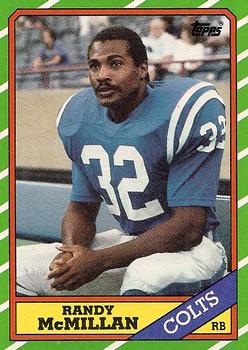
The Pittsburgh Panthers have a history of developing prolific rushers that include Pro Football Hall of Famers, former All-Pros, and Pro Bowlers. When Lewis Lorando “Randy” McMillan transferred to Pitt, it was because of Tony Dorsett, McMillan’s idol. The Harford County, Maryland native dominated the junior college ranks at Harford Community College, leading the Owls to back-to-back undefeated seasons. After his standout sophomore season, McMillan received interest from several top collegiate programs, including Nebraska, Oklahoma, and Penn State. However, it was Pitt head coach Jackie Sherrill connecting him with Dorsett that ultimately made McMillan a Panther.
The Panthers teams of the late ’70s and early ’80s were among the best in the country. While Pitt hadn’t found a true successor to Dorsett after the Heisman Trophy winner departed for the NFL, many believed McMillan just might be that guy.
1979, in particular, was a notable year in Pitt history. It was freshman quarterback Dan Marino’s first season under center. In his first game in a Panthers uniform, McMillan made an instant impact, rushing for 141 yards in a 24–0 win over Kansas at Pitt Stadium. After a Week 2 loss to North Carolina, Pitt won out, finishing 11–1 after defeating Arizona in the Fiesta Bowl. McMillan starred in the Penn State game, scoring three touchdowns in a 29–14 victory at Happy Valley.
For his senior season in 1980, McMillan once again led the Panthers in rushing. Marino guided Pitt to another 11–1 season, with key victories over rivals West Virginia and Penn State. The Panthers crushed South Carolina 37–9 in the Gator Bowl and were ranked No. 2 in the final AP poll. McMillan, a primary fullback, was viewed as the top prospect at the position in the upcoming 1981 NFL Draft.
In two years at Pitt, he rushed for 1,354 yards and 18 touchdowns, adding 355 yards through the air on 30 receptions. While McMillan doesn’t have the numbers to rank among the very best in program history, he was a key contributor to championship-caliber teams.
At the Senior Bowl, Dolphins head coach Don Shula met with McMillan, letting him know Miami was very interested in him. It would be his hometown Colts, however, that selected him 12th overall. The Dolphins, who had the next pick, took Oklahoma halfback David Overstreet.
Baltimore’s selection of McMillan was notable, as the Colts had drafted Texas A&M back Curtis Dickey in the first round the previous year. The franchise, much like Pitt, had a rich history at the position, from Lenny Moore to Lydell Mitchell. In 1980, the Colts finished 7–9 under new head coach Mike McCormack—an improvement over their previous two seasons—but still placed fourth in the AFC East. Former league MVP Bert Jones remained the team’s signal caller. Adding McMillan gave the Colts a potentially formidable backfield duo.
In his NFL debut at New England, McMillan showed flashes of greatness, rushing for 146 yards and two touchdowns in a close Colts win. While Baltimore stumbled to a 2–14 record that year, McMillan had a strong rookie campaign, rushing for 597 yards and three touchdowns.
The 1982 season was shortened by a strike, though McMillan appeared in all nine games. McCormack was out and Frank Kush was in, with Mike Pagel taking over at quarterback. The season would go down as one of the worst in Colts history, as the team finished winless at 0–8–1.
In their seventh game—technically Week 15—the Colts tied the Green Bay Packers. McMillan scored from one yard out in the fourth quarter to send the game to overtime.
As the worst team in the league, the Colts were awarded the first overall pick in the 1983 draft. Baltimore had its eyes on Stanford quarterback John Elway. Elway, to put it lightly, felt differently. The Colts selected him anyway and ultimately traded him to Denver, where he would go on to a Hall of Fame career, winning two Super Bowls.
In return, Baltimore received lineman Chris Hinton, quarterback Mark Herrmann, and a 1984 first-round pick, later used on Ron Solt. Needless to say, Denver won the trade by a wide margin.
In what would be their final year in Baltimore, the Colts were much improved in 1983. McMillan contributed over 800 rushing yards and five touchdowns, while Dickey surpassed the 1,000-yard mark. Still, a 7–9 record wasn’t enough, as the Dolphins—led by rookie quarterback Dan Marino—won the division at 12–4.
What happened next was heartbreaking for Baltimore fans. In the middle of the night, owner Robert Irsay moved the team to Indianapolis. The relocation had been rumored for years, but its execution stunned the city. McMillan, a hometown player, didn’t take the news lightly—nor did his teammates or the fan base. The Colts would begin the 1984 season in Indianapolis at the Hoosier Dome.
Dickey, an injury-prone player, missed time in 1984, allowing McMillan to step up. While the Colts finished 4–12, McMillan totaled 906 yards from scrimmage.
Another note from that season: Art Schlichter, one of the biggest draft busts in NFL history, started five games and struggled, going 0–5 with three touchdowns and seven interceptions. The Colts had selected him fourth overall in 1982. This once-proud franchise was clearly on hard times, and McMillan remained one of its few bright spots.
His best season came in 1985, when he rushed for 858 yards and seven touchdowns, adding 115 receiving yards. With Dickey sidelined and later released, McMillan carried a larger share of the load. It’s a shame he never had the opportunity to play for a true contender, spending his career on struggling teams.
The 1986 season brought more of the same. Rookie quarterback Jack Trudeau went 0–11 as a starter, and head coach Rod Dowhower was fired after a 0–13 start. McMillan again led the team in rushing in what would tragically be his final NFL season.
In April 1987, McMillan was severely injured in a car accident while crossing the street near his home, effectively ending his career at just 29 years old. Both the tibia and fibula in his left leg were shattered, and he suffered nerve damage. He also required plastic surgery on the right side of his face. A metal rod and four screws were inserted, and McMillan underwent more than a year of rehabilitation.
In the aftermath, owner Robert Irsay banned McMillan from team facilities, citing him as a “liability.” His contract was disputed, as the injury was considered “non-football related.” The two sides eventually settled for half of his $320,000 salary. While sidelined for the 1987 season, McMillan could only watch as the Colts traded for star running back Eric Dickerson. The message from the front office was clear: he was no longer part of the team’s plans.
McMillan was released before the start of the 1988 season. He briefly caught on with Miami—the team that had first shown interest in him—but was cut after two weeks. At that point, he decided to retire. Over six seasons, all with the Colts, McMillan rushed for 3,876 yards and 24 touchdowns.
In the years that followed, McMillan worked various jobs, including a stint on the Purdue football staff. After fully recovering from his injuries, he developed a passion for jogging.
Sadly, in 2002, he was involved in another car accident that left him partially paralyzed. He later spoke about the experience in a 2005 interview with The Baltimore Sun. Through activity-based therapy, he made a remarkable recovery and was eventually able to walk again.
McMillan was a private man, and that interview offers a rare glimpse into his life after football. He passed away on January 7 of this year at the age of 67. No cause of death has been reported. This profile serves as a tribute to his life and lasting legacy, both on and off the field.
-
Kevan Smith: From Pitt QB to Big League Catcher
By Brian Kopycinski
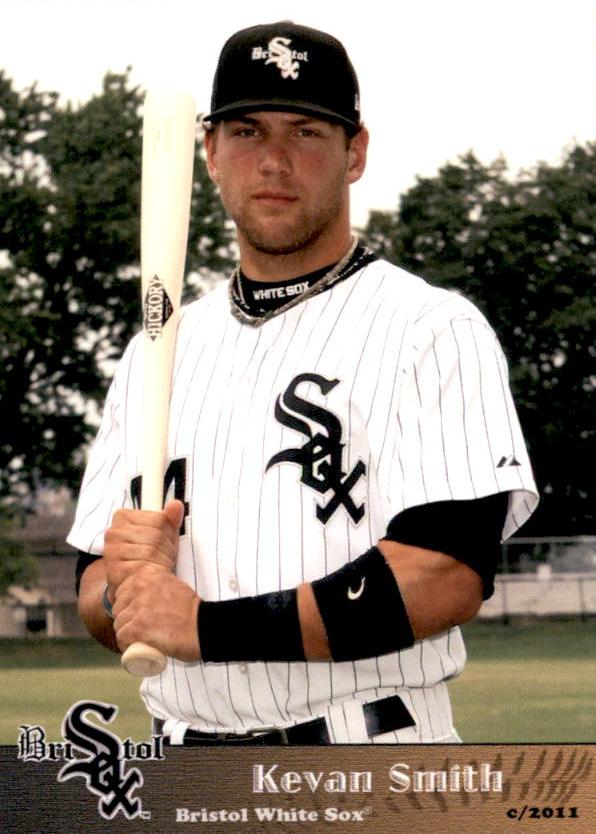
Kevan Smith went from Pitt’s starting quarterback to catching in the major leagues. The difficult decision to switch from football to baseball quickly paid off. Simply put, Smith is one of the greatest players in program history. His story is one of grit and resilience.
The Cranberry, PA, native missed significant time at Seneca Valley during his junior and senior years due to injury. Still, Smith managed to pass for over 1,500 yards and eight touchdowns his final season. On the diamond, he was a four-year letter winner at catcher and was named the Class AAAA Player of the Year by the WPIAL Baseball Coaches Association in 2006. He was considered a top recruit in the state, and even the nation, by some outlets. Smith later committed to the Pitt football program under head coach Dave Wannstedt.
Smith redshirted his freshman year and was called on to replace injured starting quarterback Bill Stull in the 2007 season opener versus Eastern Michigan. Pitt won the game 27-3, and Smith was viewed as the starter moving forward. Against Grambling State, he led the Panthers to another victory, going 15-for-22 passing with one touchdown and one interception. Smith struggled the following week at Michigan State in a close game, throwing two picks in the 17-13 Pitt loss. Smith started the first half against UConn but left the game with an injured elbow. He was replaced by Pat Bostick.
Bostick won the starting job, and Smith wouldn’t see the field again until the second half of the Rutgers game where he went 7-for-11 for 81 yards. He left that game late with a right shoulder injury in another tight Pitt loss. It was a disappointing season overall for the Panthers, but it ended on a high note. In the Backyard Brawl, Pitt defeated No. 2 ranked West Virginia 13-9. While Smith was on the sidelines for this one, he still holds a place in this iconic victory as the backup. During the 2008 season, Stull and Bostick saw the majority of reps at QB, and Smith was essentially a non-factor. He knew it was time for a change.
He was drawn to the baseball team by his former high school teammate Zach Duggan, Pitt’s center fielder. For three seasons, Smith provided ample power and strong defense behind the dish. While Pitt baseball wasn’t exactly great during this time, it’s hard not to recognize the impact Smith had. He was an All-Big East First Team selection in 2010 and 2011. The 2011 season was particularly notable. Smith tied all league hitters with a .396 batting average and led the conference in runs scored with 56. His eight home runs and 52 RBIs made him one of the top sluggers in the Big East.
Today, Smith still ranks highly in several offensive categories, including batting average (.375), total bases (313), and RBIs (123). He was also a factor in tournament play. Across the 2010 and 2011 Big East tournaments, he hit a combined .522. In 2011, he slugged three home runs as Pitt defeated Louisville in the opening round before falling to St. John’s. For all he accomplished at Pitt, Smith was considered one of the top collegiate catching prospects of the 2011 cycle. He was drafted by the Chicago White Sox in the 7th round, 231st overall. Smith got off to a hot start in rookie ball, posting a combined .355 average and a 1.073 OPS between Great Falls and Bristol of the Pioneer and Appalachian Leagues.
Over the next few years, Smith continued to hit for both average and power in the White Sox system. By 2012, he was ranked Chicago’s 15th best prospect by MLB.com. In 2014 with Double-A Birmingham, he hit .290 with 10 home runs and 48 RBIs. Smith finally reached the show in 2016 for a cup of coffee. The White Sox had a crowded catcher’s room that included Dioner Navarro, Alex Avila, and rookie Omar Narváez. The team finished fourth in the AL Central that year at 78-84.
In 2017, Smith split catching duties with Narváez, appearing in 87 games for the Sox. He continued to hit well in this role, batting .283 with four home runs and 30 RBIs. Chicago, however, declined to a 67-95 record, finishing fourth in the division once again. Smith remained Narváez’s backup in 2018, hitting an excellent .292 in 187 plate appearances. The White Sox lost 100 games that season, and Smith was released afterward. The Los Angeles Angles claimed Smith that October for added depth at the position.
The Angles had also signed Jonathan Lucroy that offseason to serve as their primary backstop. On a team that featured Mike Trout and Shohei Ohtani, arguably two of the greatest players ever, the Halos finished fourth in the AL West at 72-90. Smith appeared in 67 games as a backup and hit a career-high five home runs, though his average dipped to a more pedestrian .251. That winter, he signed with the Tampa Bay Rays, aiming to backup Mike Zunino. The Rays also had future Pirate Michael Pérez on the roster. During the pandemic-shortened season, Zunino missed significant time due to an oblique injury, and Pérez caught the majority of games in the regular season.
That year, Smith played in just 17 games out of a possible 60. In 38 plate appearances, he batted .258 with a .378/.452/.830 slash line. Zunino eventually returned, and Smith sat out the postseason, which saw the Rays win the AL pennant and lose the World Series to the Los Angeles Dodgers in six games. Still, it must have been special to be part of a pennant-winning team, regardless of the circumstances. Smith played sparingly for the Rays in 2021 and was dealt to the Atlanta Braves for cash considerations. With Travis d’Arnaud and William Contreras positioned behind the plate, he struggled for the first time. Smith appeared in 30 games for the Braves, hitting a career-low .165 in 101 plate appearances. As a below-replacement-level player, he didn’t have much of a future with the club. After the season, he signed no further contracts and has not appeared in the minor leagues or independent ranks since.
Kevan Smith enjoyed quite a journey, no matter how it ended. What should have been an incredibly difficult transition, he made look seamless. Smith began his amateur career at Pitt under center and ended it behind the plate. His excellence earned him an opportunity in the big leagues, one he met head-on. Appearing in 263 major league games is a remarkable accomplishment, made even more impressive by the injuries and obstacles he overcame. As one of the more accomplished athletes in program history, he is certainly worthy of a place in Pitt’s Athletics Hall of Fame someday.
-
Dorin Dickerson: All-American
By Brian Kopycinski
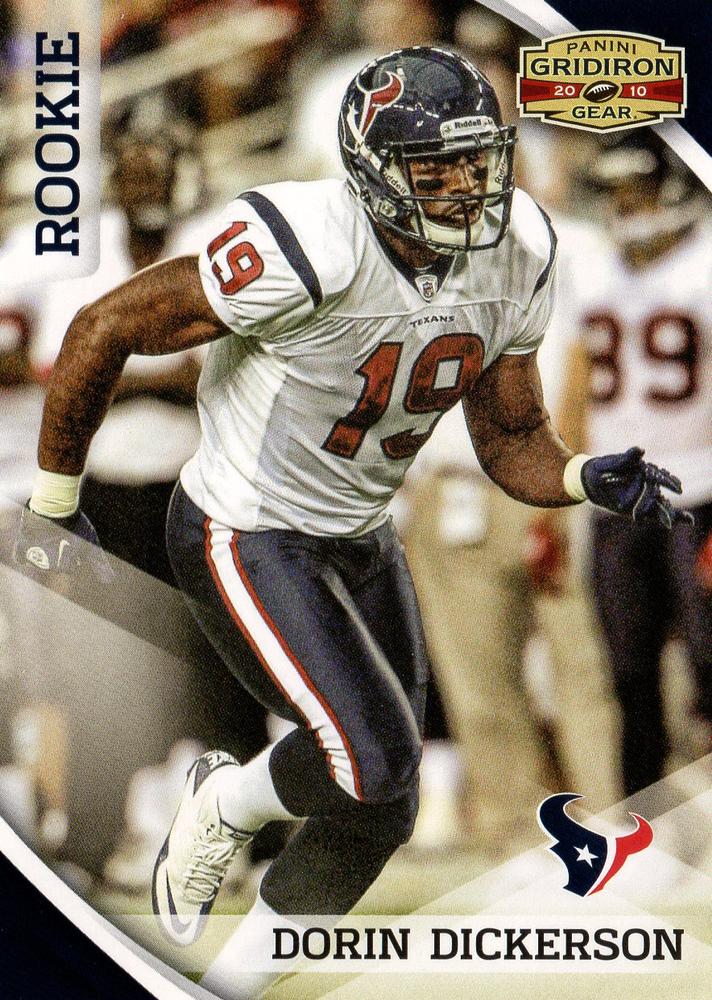
From an early age, Dorin Dickerson witnessed greatness. As a kid, his father Randy took him to Temple games to watch his uncle Ron coach the Owls football team. Ron Dickerson, a former defensive back at Kansas State, became the first African American head coach in Temple’s history, leading the program from 1993 to 1997. Dorin remembers one game fondly just “down the street” from where he grew up, when Temple came to town to face Pitt. In the blowout Panthers victory, star running back Curtis Martin rushed for over 100 yards. Being there at Pitt Stadium inspired Dickerson. He wanted to be out there on that field, someday.
Dickerson comes from a family of athletes. His father played basketball at Kansas State and Lock Haven. His cousin, Ron Jr., played in the NFL for the Kansas City Chiefs, mainly as a kick returner. The foundation was certainly there. Dickerson attended West Allegheny High School in Imperial, Pennsylvania, about half an hour west of Pittsburgh in Allegheny County. There, under legendary coach Bob Palko, the Indians made the WPIAL playoffs three consecutive seasons while Dickerson was on the team. Dorin, primarily a running back, played all over the field during his spectacular senior season in 2005, also seeing time at quarterback, defensive back, and as a kick returner. He had 1,429 yards rushing, 22 receptions for 423 receiving yards, and led the WPIAL with 36 total touchdowns. On the defensive side, Dickerson added four interceptions.
Following his historic campaign, Dickerson was named the Pittsburgh Post-Gazette’s Player of the Year. He was considered a consensus Top 100 recruit and was selected to play in the prestigious US Army All-American Bowl, held annually in Frisco, Texas. Seeking a path to the NFL, Dickerson committed to play for coach Dave Wannstedt at Pitt in the Big East. He chose to remain close to home, with several top-tier programs wanting his talents. Like in high school, Dickerson played all over in college. As a true freshman in 2006, he was a wide receiver/kick returner and saw limited action, scoring a touchdown versus Toledo. He shifted to defense as a linebacker his sophomore year, making 15 tackles as a reserve, still involved in the kick return game.
As a junior, Dickerson made the transition to tight end, where he made an instant impact. Pitt turned things around that year, in their first winning season since 2004. They earned a bid to the Sun Bowl, in which Dickerson had 2 catches for 37 yards. For the regular season, he had 174 receiving yards to go with 2 touchdowns. His connection with quarterback Bill Stull grew further in his senior year, in one of the finest seasons for a tight end in Pitt’s storied history. A unanimous first-team All-American, Dickerson had 529 yards, second on the team, and 10 touchdowns. The Panthers improved on their previous year, winning the Meineke Car Care Bowl and finished #15 in the final AP poll. With LeSean McCoy off to the NFL, Dion Lewis stepped up and helped deliver a season to remember. Stull led the conference in passing yards, and Aliquippa’s Jonathan Baldwin broke the 1,000 yards receiving mark.
Drafted by the Houston Texans in the 7th round of the 2010 NFL Draft, the odds were stacked against Dickerson as a relatively undersized tight end going from the college ranks to the pros. At the combine, he ran one of the fastest times recorded at his position, 4.40 seconds, just behind Vernon Davis at 4.38 seconds for the record. As a rookie, Dickerson suited up for seven games but saw no action in the regular season. That year, the Texans went 6-10 under head coach Gary Kubiak. He was cut by Houston just before the start of the 2011 season. Dickerson then bounced between the Steelers’ and Patriots’ practice squads that year, before he signed with the Buffalo Bills in 2012.
In 11 games with the Bills, Dickerson had 9 receptions for 117 yards, averaging 13 yards per catch with Ryan Fitzpatrick under center. In Buffalo, he was behind on the depth chart to Scott Chandler and T.J. Graham. The Bills went 6-10 that season, finishing last in the AFC East. In August 2013, Dickerson was released by Buffalo and later signed with Detroit in October in a reserve role. He got into 5 games with the Lions, recording 2 receptions for 34 yards. Detroit back then had true stars in quarterback Matthew Stafford and wide receiver ‘Megatron’ Calvin Johnson. Under Jim Schwartz, the Lions finished the year 7-9, failing to return to the playoffs in back-to-back seasons. Dickerson spent time on injured reserve due to concussion.
Next season, Dickerson signed with Tennessee, but never dressed for the Titans, as he missed the next two campaigns on IR. Since retiring from the game as a player, Dickerson has remained actively involved in the community. He is now a popular radio host of 93.7 The Fan’s Morning Show and serves as a sideline analysist for Pitt football. Dickerson was inducted into the WPIAL Hall of Fame in 2016. Following in the footsteps ‘Iron Mike’ Ditka, another Western PA native, Dickerson became one of the Panthers’ greatest tight ends. The program has had success recently in developing talent for the NFL with Lucas Krull and Gavin Bartholomew. An All-American through and through, Dorin Dickerson embodied that greatness at Pitt, a tradition he carries on today in all that he does.
-
The 1984 Fiesta Bowl: Pitt vs. Ohio State
By Brian Kopycinski
Pitt football enjoyed an unprecedented run of success from the late ‘70s through the early ‘80s that it has not replicated since. A Heisman Trophy winner in Tony Dorsett, multiple national championships, both claimed and unclaimed, the development of elite talents bound for the Pro Football Hall of Fame. It’s unlikely in today’s landscape of college football that we’ll see as much attention and success in the program ever again. We all know that nothing lasts forever.
By 1983, Dan Marino and many more were off to the National Football League. Certainly, filling their shoes would be no easy task. The ‘83 Panthers had a difficult road ahead of them, under second year head coach Foge Fazio. What followed was an unexpected run that ended in heartbreak at Sun Devil Stadium in Tempe, Arizona in the 1984 Fiesta Bowl.
Succeeding Marino was sophomore John Congemi. Congemi had weapons on offense that included halfback John McCall and wideouts Bill Wallace and Dwight Collins. On the defensive side of the ball were standouts like noseguard Bill Maas and DB Tom Flynn. The Panthers started out the season strong, going 2-0 in wins over Tennessee on the road and Temple. Pitt fell, however, to Boomer Esiason and the Maryland Terrapins in Week 3.
A Backyard Brawl matchup at West Virginia was set for Week 4. In a close game, Conemaugh’s Jeff Hostetler led the Mountaineers to victory over the Panther 24-21. This loss, while huge, didn’t define Pitt’s season. The Panthers ran off six straight wins, including a W over #18 Notre Dame in South Bend.
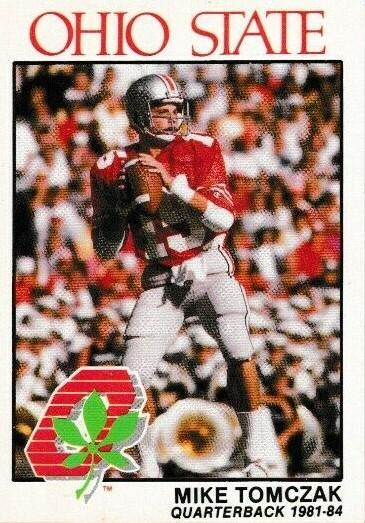
Against reigning national champion Penn State, the #17 ranked Panthers drew a 24-24 tie in the final regular season game. With a record of 8-2-1, Pitt was awarded a coveted bid in the Fiesta Bowl and would face the 8-3 Ohio State Buckeyes. Tempe wasn’t unfamiliar to the Panthers, who defeated the Arizona Wildcats in the ninth edition of the bowl game in 1979. Ohio State, led by quarterback Mike Tomczak, presented a greater challenge.
A defensive battle for the first three quarters, the action picked up in the fourth that came down to the final seconds in Ohio State’s favor. The memorable contest marked the end of an era of sorts in Pitt football.
The Buckeyes quickly drove down the field to open the game. Tomczak faked the handoff at the goal line and snuck it in to put Ohio State up early. Pitt fought back and tied things up just over a minute into the second quarter, on Congemi’s 6-yard touchdown pass to tight end Clint Wilson. Congemi hit McCall on a 42-yard strike to set up the score. Before the half was out, Keith Byars dove from the 1-yard line for six to put the Buckeyes on top with less than a minute to go. This capped off a 73-yard drive that ate up nearly five minutes of game clock.
The third quarter was hard-fought, but neither team scored. Luck appeared to be on Pitt’s sideline, as early in the fourth quarter, Wilson recovered McCall’s fumble in the endzone for a touchdown to tie the game. This good fortune for the Panthers wouldn’t last, as Byars took the ensuing kickoff 99-yards to the house. With just under ten minutes remaining, Pitt closed the gap after Congemi threw another touchdown. Beaver Falls native Dwight Collins hauled in the pass from 11-yards out, though Pitt failed on the two-point conversion attempt to make the score 21-20.
After a stop on defense, Pitt rallied and on the next possession took the lead with Ray “Snuffy” Everett’s 37-yard field goal to make it 23-21. Despite the unfavorable odds, Mike Tomczak led the Buckeyes down the field. On an 89-yard, 13 play drive capped off by a 39-yard shot down the sideline to Thad Jemison, Ohio State took their final lead. Backup Pitt QB Chris Jelic filling in for an injured Congemi was unable to replicate the miraculous drive, and the game was over. The final score, 28-23 Ohio State.
Congemi, the losing quarterback, was named the Offensive Player of the Game. He completed 31 passes, then a Fiesta Bowl record, for 341 yards. Ohio State linebacker Rowland Tatum was named the Defensive Player of the Game. The Buckeyes rose to #9 in the final AP poll, whereas Pitt fell to #18. Congemi remained Pitt’s starter for the next three seasons, finishing second behind Dan Marino in passing yards in program history. Both records have since been broken.
Tomczak, who went 5-21 passing in the second half, helped the Buckeyes win the Big Ten in 1984, and led them to the Rose Bowl where they fell to the USC Trojans. An undrafted free agent, Tomczak found success as the starting quarterback of the Chicago Bears and later with the Pittsburgh Steelers. Byars was the runner up for the Heisman in ‘84 and had a solid NFL career. The same can be said, and then some, for Bill Maas, a first-round pick of the Kansas City Chiefs in 1984.
It’s not easy to define success. What Pitt did back then is difficult to compare to any period in the years since. Sure, you had some good years and bowl wins in the 2000s and 2010s, but nothing like the Dorsett and Marino years. The closest example you could point to would be 2021 when Pitt won the ACC and Kenny Pickett made a run at the Heisman. Still, that’s a bit of a reach, as they failed to make the College Football Playoff and lost the Peach Bowl to Michigan State, with several key players like Pickett sitting the game out.
With coach Pat Narduzzi and true freshman QB Mason Heintschel, Pitt found new life in 2025 yet lost in embarrassing fashion to East Carolina in that year’s Military Bowl. As always, the future remains unpredictable, especially with the influence of NIL overtaking the game. College football now is so different from what it was back then. Watching highlights from the game, you’ll notice the oversized shoulder pads, neck rolls, and quarterbacks taking more than a five-step drop. It’s from a bygone era that many Pitt fans still remember fondly to this day. Hail to Pitt!
-
Kevan Barlow: Pittsburgh Running Back
By Brian Kopycinski
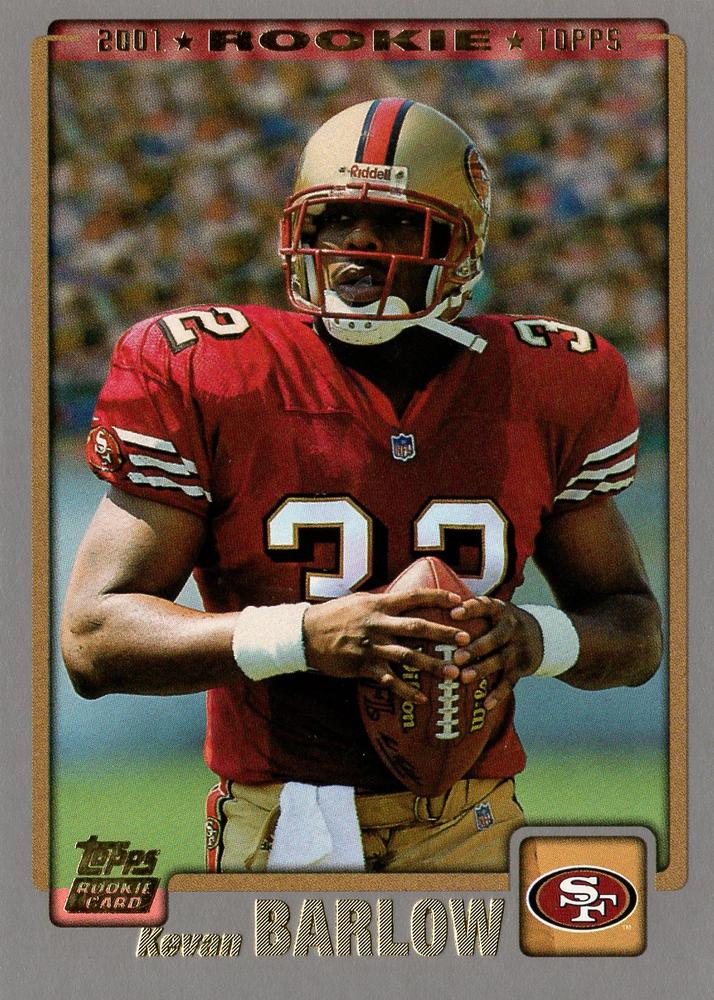
Pitt has developed a number of great running backs over the years, from Hall of Famers Tony Dorsett and Curtis Martin to recent standouts like Dion Lewis and LeSean McCoy. Some of them, like Dorsett and Martin, grew up in and around the city. Another Pittsburgh native Panther that has been seriously overlooked is Kevan Barlow. In the tradition of great Pitt running backs, his sustained success across all levels is a testament to his determination. Succession defined his career, not injuries, from Pitt to the NFL.
Like Dorsett and Martin before him, Barlow was a star on the gridiron in high school. He led the East Liberty based Peabody Highlanders to three consecutive City League titles. Barlow was named to the Big 33 Game and awarded numerous accolades for his high school career. He joined a Pitt team in 1997 that had struggled mightily over the past few seasons. As a freshman under new head coach Walt Harris, Barlow served as a backup to Dwayne Schulters. Pitt improved considerably, with quarterback Pete Gonzalez having a career year. The Panthers fell to Southern Miss in the Liberty Bowl, finishing with a record of 6-6.
1998 was much worse for the Panthers, who went an abysmal 2-9 on the year. Despite this poor overall showing, Barlow led the team in rushing with 533 yards and 4 TDs. He continued to improve over the next two seasons, being named First Team All-Big East in 1999 and eclipsing the 1,000-yard mark his senior year with 8 touchdowns on the ground. In the Backyard Brawl, Barlow rushed for an insane 272 yards with 4 scores in the Panthers’ victory. That season, Pitt ended up losing to Sage Rosenfels and the Iowa State Cyclones in the Insight.com Bowl at Bank One Ballpark in Phoenix 29-37. In the tight game, Barlow scored from three yards out in the fourth quarter. Liking what they saw in the experienced back, the San Francisco 49ers selected him in the 3rd round of the 2001 NFL Draft, 80th overall.
Barlow was the eighth running back selected that year, notably LaDainian Tomlinson and Deuce McAllister in the first round. Like at Pitt, Barlow was a backup his first few years with the 49ers, to Pro Bowler Garrison Hearst. Despite not starting a game in this span, he racked up over 1,000 rushing yards, plus over 300 receiving yards, and a total of 10 touchdowns. San Francisco made the playoffs both years, losing to the Packers in the Wild Card in ‘01, defeating the Giants in the Wild Card the following year, then falling to the eventual champion Buccaneers in the Divisional. In the victory over the Giants, Barlow went in for six in the second quarter.
In 2003, Barlow had the best year of his career, rushing for a total of 1,024 yards with six scores, plus over 300 yards and a touchdown through the air. He did this all while only starting in four games. After Hearst was released in ‘04, Barlow had a firm lock on the 49ers RB1 moving forward. The Niners were awful that year though, after Jeff Garcia left for Cleveland and the ensuing instability at the quarterback position proved to be greater than anticipated. Barlow still had a good year, rushing for over 800 yards and 7 touchdowns, with over 200 receiving yards. Clearly, he was not an issue on a very much flawed football team. With a 2-14 record, the 49ers earned the first-overall pick in the 2005 draft, and they used this selection on Utah QB Alex Smith, some might say controversially, over Cal’s Aaron Rodgers. San Francisco also took a running back that year, Miami’s Frank Gore. It didn’t take long for Gore to surpass Barlow, who had been dealing with recurring knee soreness, missing a few games due to injury the past season. The 49ers struggled again, winning just five games in 2005. For Barlow, it was the beginning of the end.
For the 2006 campaign, the New York Jets would be without Pitt legend and future Hall of Famer Curtis Martin. Perhaps the Jets saw something of Martin in Barlow when they traded for him. The two certainly have a lot in common. Barlow saw less playing time in ‘06, taking a backseat to rookie Leon Washington. He still led the Jets with 6 rushing touchdowns, in just three starts. New York’s AFC team went 10-6 and made the playoffs, to face the Patriots in the Wild Card. Prime Tom Brady easily defeated the Jets, with Barlow absent from the box score. In May 2007, he signed with his hometown Steelers, hoping to join Fast Willie Parker in the backfield. In August, his knee ailments reached the career ending stage, and he was subsequently released by Pittsburgh.
Considering his placement on the depth chart and the number of snaps he received, Barlow made the most of his opportunities and became a steady, reliable back in the league after developing for four years in college. His career outcome is a far cry from the world of NIL today, where some kids are onto their third and even sometimes fourth schools. Barlow never complained. He showed up to work. At Pitt, Barlow ranks 12th all-time in rushing yards and touchdowns. He shares the rushing touchdowns distinction (20) with Kenny Pickett. For the 49ers, Barlow ranks 8th in rushing yards, just ahead of Christian McCaffrey.
During his career, Kevan Barlow frequently visited San Quentin State Prison, offering encouragement, visited children’s hospitals in the Bay Area, and has been a strong advocate for children’s cancer charities. His legacy extends beyond the football field, marking a life well lived.
-
Sam Clancy: Ahead of His Time
By Brian Kopycinski
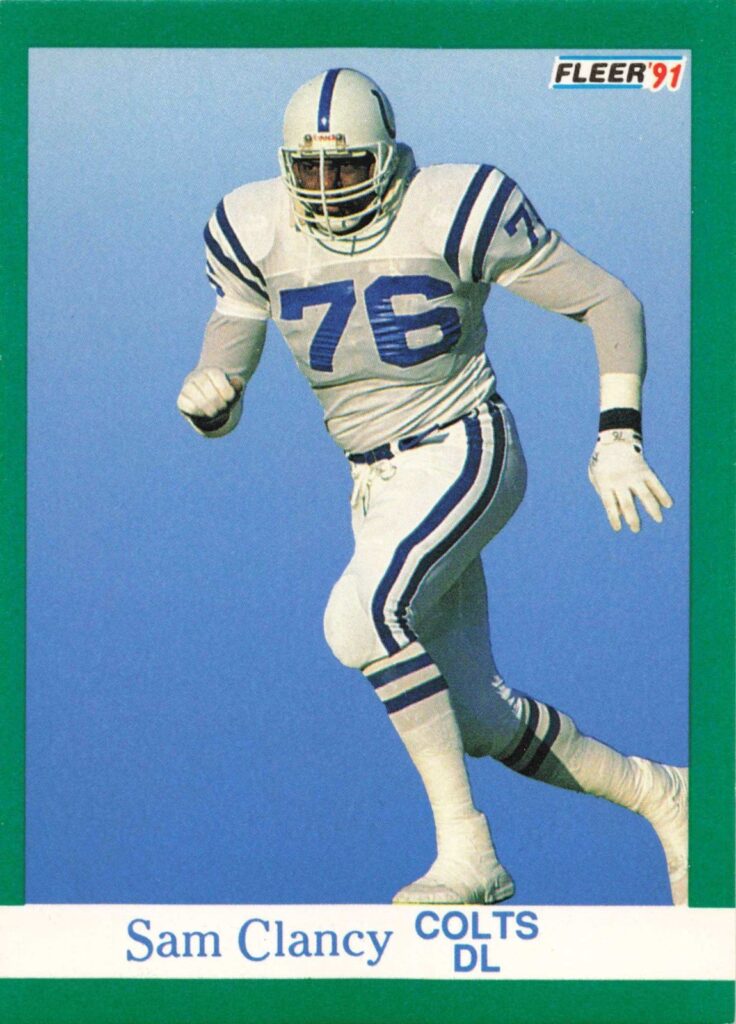
From Tony Dorsett and Dan Marino, to Roger Kingdom and Billy Knight, the University of Pittsburgh has produced a number of elite athletes. One that’s been overshadowed among these greats is Sam Clancy, a rare example of a college basketball star turned NFL regular. Clancy, born in Pittsburgh, grew up in the Hill District and attended Fifth Avenue High. His remarkable career in professional sports deserves to be talked about in the same light as those mentioned previously, as one of the greatest Pitt Panthers of all time.
A product of Pittsburgh’s City League, Clancy won the 1976 Class AAA state championship, scoring 22 points in Fifth Avenue’s 53-42 victory over Norristown, finishing the season undefeated. Clancy also played tight end on his high school’s football team. After Fifth Avenue closed, Clancy was a member of Brashear High’s first graduating class in 1977.
Recruited by notable programs such as NC State and Ohio State, it was another Pitt legend, Tony Dorsett, a Western Pennsylvania native himself, that convinced Clancy to stay home for college. Coming to Pitt, he was an undersized center joining a team that had slipped since Billy Knight’s 1973-74 team finished No. 16 in the AP poll. Back then, the Panthers played in the Eastern 8, now the Atlantic 10 Conference.
Over the next four years, Clancy would bring the Panthers to relevance once again, culminating in an Eastern 8 tournament championship in 1981, defeating rival Duquesne, and subsequent NCAA Tournament appearance, where Pitt fell in the quarter-final round to the North Carolina Tar Heels. One of the highlights of Clancy’s Pitt career was beating No. 3 ranked Duke at Cameron Indoor Stadium his sophomore year, where in the final seconds he recorded a steal, ran down the court, missed a jump shot, but got the rebound and scored the winning bucket.
Clancy also represented his country in the 1979 Pan American Games, under legendary Indiana coach Bobby Knight, on a squad that featured Isiah Thomas, Kevin McHale and Ralph Sampson. Team USA went undefeated to win gold at Roberto Clemente Coliseum in San Juan, Puerto Rico. Clancy is the only player in Pitt history to record over 1,000 points (1,671) and 1,000 rebounds (1,362). He also leads the program in career double-doubles and rebounds.
After a stellar collegiate career at Pitt, including four winning seasons, Clancy averaged a double-double (14.4 points, 11.6 rebounds) and never missed a game. He was drafted by the Phoenix Suns in the 1981 NBA Draft in the 3rd round, 62nd overall. Clancy was one of the last players cut by the team, blocked by veteran power forward Truck Robinson, a two-time NBA All-Star. Clancy continued his basketball career with the Billings (Montana) Volcanos of the Continental Basketball Association, averaging 11.5 points and 8.3 rebounds before the franchise folded that summer.
His unique journey to the NFL began soon after. Clancy had worked out with the Pitt football team for a few weeks one spring, having caught the attention of head coach Jackie Sherrill. He lined up at end with the second-string defense, and faced off against Russ Grimm and Mark May, two future Super Bowl champions, one (Grimm) a Hall of Famer. While in Billings, Clancy was contacted by Chuck Allen of the Seattle Seahawks. He was drafted as a tight end in the 11th round, 284th overall in the 1982 NFL Draft, despite not having played a snap of college football.
After his rookie year with the Seahawks, Clancy switched to the defensive line, with former first-round pick Jacob Green taking him under his wing. Clancy’s first sack came in the postseason, a knockdown of Broncos QB Steve DeBerg in the Seahawks dominant victory in the Wild Card game. Seattle would go on to defeat Miami the following week before falling to the Los Angeles Raiders in the AFC Conference Championship. In 1984, Clancy joined the USFL’s Pittsburgh Maulers, returning home to a better salary.
In their only year of existence, save for the 2022 USFL revival, the original Maulers were one of the worst teams in the league, finishing a dismal 3-15. To his credit, Clancy was one of the best pass rushers in the league, tied for the second most sacks that season with 16. Led by Penn State’s Chuck Fusina, the Philadelphia Stars were champions over the Arizona Wranglers. Clancy played for the Memphis Showboats in 1985, teaming up with the “Minister of Defense”, Reggie White.
After the conclusion of the USFL season, the Seahawks, who still retained Clancy’s rights, traded him to the Cleveland Browns for their 1986 7th round pick. Seattle eventually selected Nebraska running back Paul Miles that year, who would never play a down in the NFL. For the Browns, this seemingly insignificant trade ended up being a smashing success. Clancy’s best years came in Cleveland, under head coach and Pitt alum Marty Schottenheimer, that saw the Browns reach two AFC Championship games, both coming against the Denver Broncos. Clancy recorded 6.5 sacks in his second season with the Browns. He took down John Elway in the conference championship, an iconic game best known for “The Drive”, that saw Elway lead his team 98 yards down the field in the final minutes to send it to overtime, resulting in a Denver victory.
The same outcome would be the eventual result of the 1987 season for the Browns, another heartbreaking defeat to Elway and the Broncos. Clancy remained in Cleveland for another year, then signed with the Indianapolis Colts, a team loaded with talent that looked to be on the rise. For Clancy, these years were the hardest, as the Eric Dickerson and Jeff George led Colts failed to live up to the billing as a contender in the AFC, finishing an abysmal 1-15 for the 1991 season. Despite this, Clancy remained a productive player, achieving a career high of 7.5 sacks for the 1990 campaign. One of Clancy’s teammates on the defensive line in Indianapolis was another Pitt legend, Tony Siragusa.
At Pitt, Clancy was three times an AP All-American Honorable Mention. A college basketball star who hadn’t touched the gridiron since high school, he played twelve seasons of professional football, recording 30 sacks in the NFL. Clancy came close to appearing in the Super Bowl twice with the Cleveland Browns. For his two seasons in the USFL, he was one of its top defensive players.
The only other direct comparisons to Clancy are Kent State’s Antonio Gates, a Pro Football Hall of Famer, and Mo Alie-Cox out of VCU, who’s been with the Indianapolis Colts for nine seasons now. There’s also Dave Winfield, who played baseball and basketball in college at Minnesota, who was drafted by the Minnesota Vikings in 1973. Brian Jordan, who also never played college football, similarly had a long career in major league baseball, as well as a brief stint with the Atlanta Falcons.
Clancy went on to become a defensive lines coach after his playing days were done. In 1997, he won NFL Europe’s World Bowl with the Barcelona Dragons. He has also served on the coaching staffs of the New Orleans Saints and the Oakland Raiders. Clancy completed his bachelor’s degree in social sciences at Pitt in 2005. He is in his 14th year as director of the Varsity Letter Club. Earlier this year, the Pitt Panthers basketball team retired Clancy’s jersey #15. He and his wife Terri live in Oakdale, have five children and ten grandchildren. His son Sam Jr., a standout at USC, enjoyed a long career in professional basketball overseas and has since transitioned to coaching.
What Sam Clancy did between college and the pros is simply incredible. He is without a doubt one of the finest to ever wear the blue and gold.

Pittsburgh Sports History