
By Brian Kopycinski
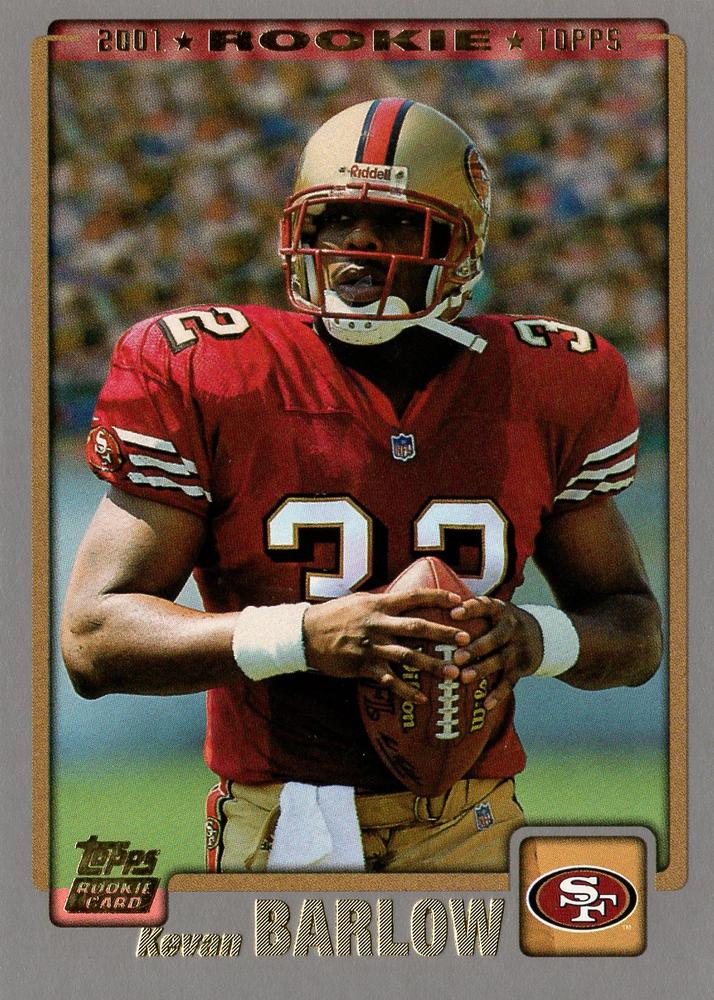
Pitt has developed a number of great running backs over the years, from Hall of Famers Tony Dorsett and Curtis Martin to recent standouts like Dion Lewis and LeSean McCoy. Some of them, like Dorsett and Martin, grew up in and around the city. Another Pittsburgh native Panther that has been seriously overlooked is Kevan Barlow. In the tradition of great Pitt running backs, his sustained success across all levels is a testament to his determination. Succession defined his career, not injuries, from Pitt to the NFL.
Like Dorsett and Martin before him, Barlow was a star on the gridiron in high school. He led the East Liberty based Peabody Highlanders to three consecutive City League titles. Barlow was named to the Big 33 Game and awarded numerous accolades for his high school career. He joined a Pitt team in 1997 that had struggled mightily over the past few seasons. As a freshman under new head coach Walt Harris, Barlow served as a backup to Dwayne Schulters. Pitt improved considerably, with quarterback Pete Gonzalez having a career year. The Panthers fell to Southern Miss in the Liberty Bowl, finishing with a record of 6-6.
1998 was much worse for the Panthers, who went an abysmal 2-9 on the year. Despite this poor overall showing, Barlow led the team in rushing with 533 yards and 4 TDs. He continued to improve over the next two seasons, being named First Team All-Big East in 1999 and eclipsing the 1,000-yard mark his senior year with 8 touchdowns on the ground. In the Backyard Brawl, Barlow rushed for an insane 272 yards with 4 scores in the Panthers’ victory. That season, Pitt ended up losing to Sage Rosenfels and the Iowa State Cyclones in the Insight.com Bowl at Bank One Ballpark in Phoenix 29-37. In the tight game, Barlow scored from three yards out in the fourth quarter. Liking what they saw in the experienced back, the San Francisco 49ers selected him in the 3rd round of the 2001 NFL Draft, 80th overall.
Barlow was the eighth running back selected that year, notably LaDainian Tomlinson and Deuce McAllister in the first round. Like at Pitt, Barlow was a backup his first few years with the 49ers, to Pro Bowler Garrison Hearst. Despite not starting a game in this span, he racked up over 1,000 rushing yards, plus over 300 receiving yards, and a total of 10 touchdowns. San Francisco made the playoffs both years, losing to the Packers in the Wild Card in ‘01, defeating the Giants in the Wild Card the following year, then falling to the eventual champion Buccaneers in the Divisional. In the victory over the Giants, Barlow went in for six in the second quarter.
In 2003, Barlow had the best year of his career, rushing for a total of 1,024 yards with six scores, plus over 300 yards and a touchdown through the air. He did this all while only starting in four games. After Hearst was released in ‘04, Barlow had a firm lock on the 49ers RB1 moving forward. The Niners were awful that year though, after Jeff Garcia left for Cleveland and the ensuing instability at the quarterback position proved to be greater than anticipated. Barlow still had a good year, rushing for over 800 yards and 7 touchdowns, with over 200 receiving yards. Clearly, he was not an issue on a very much flawed football team. With a 2-14 record, the 49ers earned the first-overall pick in the 2005 draft, and they used this selection on Utah QB Alex Smith, some might say controversially, over Cal’s Aaron Rodgers. San Francisco also took a running back that year, Miami’s Frank Gore. It didn’t take long for Gore to surpass Barlow, who had been dealing with recurring knee soreness, missing a few games due to injury the past season. The 49ers struggled again, winning just five games in 2005. For Barlow, it was the beginning of the end.
For the 2006 campaign, the New York Jets would be without Pitt legend and future Hall of Famer Curtis Martin. Perhaps the Jets saw something of Martin in Barlow when they traded for him. The two certainly have a lot in common. Barlow saw less playing time in ‘06, taking a backseat to rookie Leon Washington. He still led the Jets with 6 rushing touchdowns, in just three starts. New York’s AFC team went 10-6 and made the playoffs, to face the Patriots in the Wild Card. Prime Tom Brady easily defeated the Jets, with Barlow absent from the box score. In May 2007, he signed with his hometown Steelers, hoping to join Fast Willie Parker in the backfield. In August, his knee ailments reached the career ending stage, and he was subsequently released by Pittsburgh.
Considering his placement on the depth chart and the number of snaps he received, Barlow made the most of his opportunities and became a steady, reliable back in the league after developing for four years in college. His career outcome is a far cry from the world of NIL today, where some kids are onto their third and even sometimes fourth schools. Barlow never complained. He showed up to work. At Pitt, Barlow ranks 12th all-time in rushing yards and touchdowns. He shares the rushing touchdowns distinction (20) with Kenny Pickett. For the 49ers, Barlow ranks 8th in rushing yards, just ahead of Christian McCaffrey.
During his career, Kevan Barlow frequently visited San Quentin State Prison, offering encouragement, visited children’s hospitals in the Bay Area, and has been a strong advocate for children’s cancer charities. His legacy extends beyond the football field, marking a life well lived.